Where Paris Haute Couture Meets Tennis Culture
Casablanca Paris was established on the idea that the most refined instances in athletics occur not during the match itself but in the settings around it—the club terrace, the changing room, the evening reception. Creative director Charaf Tajer took inspiration from his own experiences navigating Parisian cultural scene and Moroccan warmth to create a brand that treats tennis as a visual and lifestyle world rather than a physical discipline. From the very first collection in 2018, Casablanca Paris established a link with club life through silk shirts decorated with rackets, nets and verdant vegetation. This was not activewear; it was a vision of the tennis life reimagined through premium materials and sophisticated artwork. By anchoring the brand in tennis heritage, Tajer tapped into a long-standing legacy of refinement: picture the pristine whites of 1930s players, the colourful awnings of Roland-Garros and the social scene that accompanies Grand Slam events. In 2026, this tennis identity remains the central pillar of every Casablanca Paris line, even as the label ventures into tailoring, outerwear and finishing pieces that go well beyond the court.
The Tennis Look in Casablanca Paris Lines
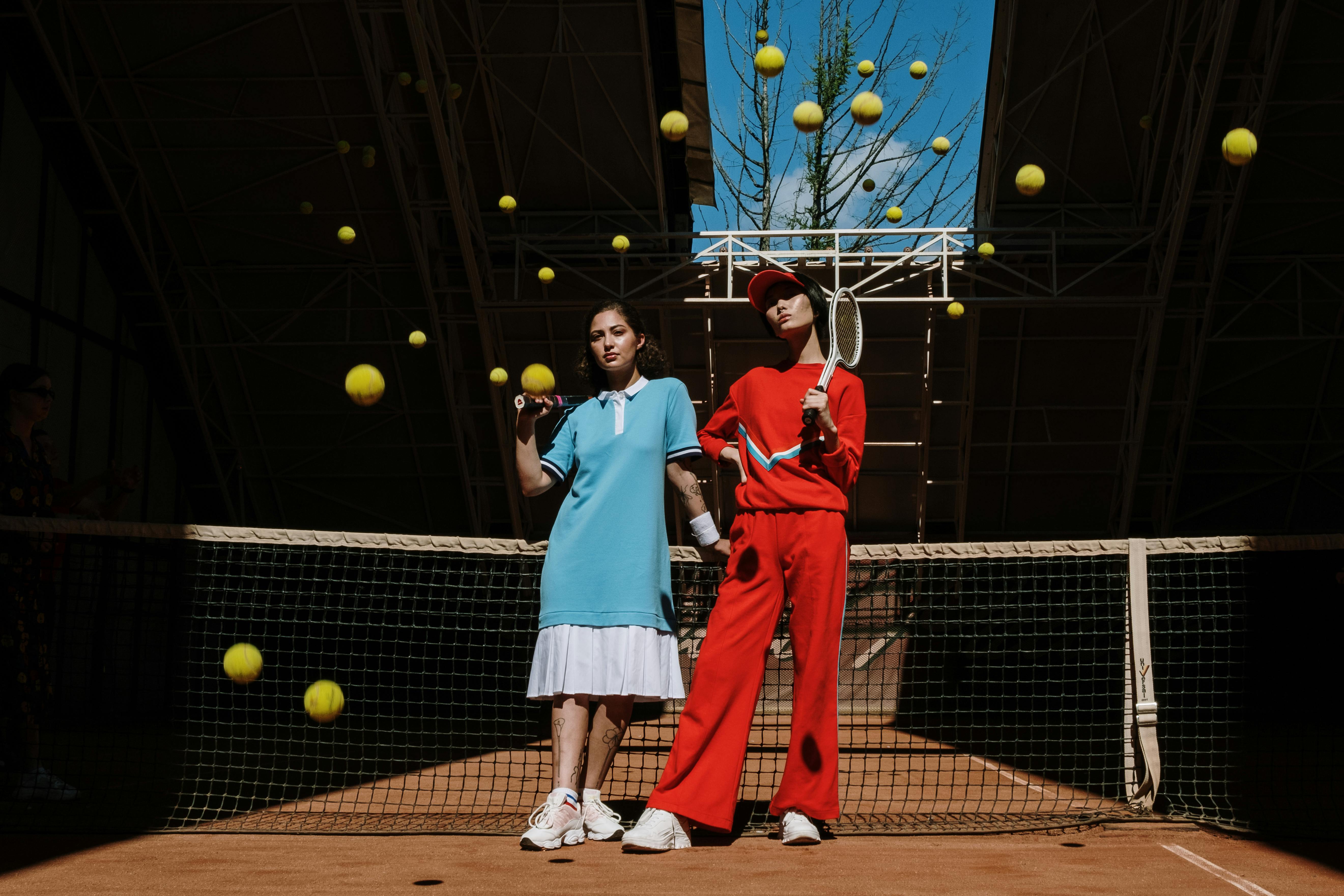
Tennis gives Casablanca Paris with a built-in visual vocabulary that is both precise and broadly attractive. Clay-court reds, grass-court greens, net-white stripes and sun-yellow touches run through collection palettes, lending casablanca t shirt each range a sport-inspired cadence. Prints depict tournaments, spectators, trophies and Mediterranean courts rendered in a artistic, softly nostalgic manner that avoids straightforward sportswear aesthetics. Logo crests take on the heraldic style of imaginary tennis clubs, adding a perception of community and distinction without alluding to any existing club. Knitwear typically showcases cable-stitch or patterned motifs evocative of retro tennis sweaters, while polo-style shirts and polo silhouettes pay homage to tournament dress. Terry cloth—a material associated with sideline towels and wristbands—shows up in shorts, robes and casual tops, reinforcing the sensory association with athletics. Even add-ons like caps, visors and wristbands display the Casablanca Paris crest, transforming practical items into covetable identity tokens. This layered method guarantees that the tennis motif reads natural and growing rather than repetitive, sustaining collectors captivated across numerous seasons in 2026 and beyond. Accessories such as a crest cap or woven belt can amplify the athletic atmosphere without adding unnecessary complexity to the look.
Notable Tennis-Inspired Pieces Across Seasons
| Item | Tennis Inspiration | Typical Fabric | Price Bracket (2026) |
|---|---|---|---|
| Silk printed shirt | Courtside viewer | Mulberry silk | $700–$1 200 |
| Terry shorts | Club changing room | Cotton terry | $350–$500 |
| Knit polo | Tournament uniform | Merino / cotton blend | $400–$650 |
| Track jacket | Warm-up layer | Satin / tricot | $600–$900 |
| Logo cap | Sun protection on court | Cotton twill | $150–$250 |
| Embroidered sweatshirt | Club affiliation | Heavyweight fleece | $450–$700 |
Why Tennis Heritage Attracts High-End Shoppers
Tennis has for decades been linked to prosperity, privilege and cultural sophistication, making it a logical match for high-end fashion. Private clubs, exclusive courts and major championships provide environments where aesthetics, manners and visual culture meet. Unlike combat sports that focus on aggression, tennis honours poise, skill and personal style—characteristics that correspond to the principles of upscale fashion houses. Casablanca Paris harnesses this cultural capital by delivering garments that depict an perfected portrait of the tennis universe: endlessly sunny, always convivial, without exception dressed impeccably. This aspirational image attracts customers who may never play tournament-level tennis but who appreciate the way of life it symbolises. In 2026, as wellness and sport increasingly intersect with style, the tennis connection feels even more timely. Events like Wimbledon, the US Open and Roland-Garros persist in generate celebrity interest and media coverage, strengthening the association between tennis and fashion. Casablanca Paris benefits from this dynamic by establishing itself as the clothing source for individuals who aspire to appear as if they are members of the finest clubs in the world, whether they own a racket or not.
How Casablanca Paris Distinguishes Itself From Other Tennis-Inspired Fashion Lines
Multiple clothing labels have experimented with tennis aesthetics over the years, from Ralph Lauren’s Wimbledon collaborations to Lacoste’s legacy range and Nike’s fashion-forward performance lines. What sets Casablanca Paris unique is the intensity of its commitment to the aesthetic and its refusal to make functional sportswear. While other brands may release a seasonal capsule referencing tennis every few seasons, Casablanca Paris grounds its complete identity around the discipline. Every season features designs that could credibly belong to a invented tennis club from the 1970s, updated with modern colours, artworks and proportions. The brand never makes real performance tennis clothing—there are no sweat-wicking fabrics, no tournament-level shoes—which ensures the spotlight on aspiration and lifestyle rather than function. This separation is important because it positions Casablanca Paris alongside fashion houses rather than sports brands, justifying premium price points and more intricate design. In 2026, rivals keep on launch occasional tennis-themed drops, but none have threaded the concept as completely into their DNA as Casablanca Paris, giving the house a creative advantage that is difficult to replicate.
Wearing Casablanca Paris With a Tennis Mood in 2026
To introduce the Casablanca Paris tennis energy into regular combinations, lead with one standout item that has an unmistakable athletic allusion—a illustrated silk shirt, a terry short, or a knit polo—and assemble the rest of the ensemble around it with understated pieces. For men, combining a silk shirt with refined cream chinos and suede loafers delivers a polished evening-out or holiday look that echoes the post-game social atmosphere. For women, styling a Casablanca polo tucked into a flared midi skirt with minimal sandals delivers a athletic-elegant look suitable for daytime dining and museum outings. Adding layers is also useful: layer a track jacket over a plain T-shirt and jeans to add a burst of vibrancy and sporting mood without resorting to full theme. During autumn and winter, a knit or sweatshirt with a subtle tennis crest can be worn under a overcoat or blazer, providing cosiness and individuality to a refined casual outfit. The fundamental principle is subtlety—let the Casablanca Paris item do the talking while the rest of the outfit offers a quiet foundation. This equilibrium keeps the tennis nod refined rather than fancy-dress.
The Cultural Significance and Trajectory of Casablanca Paris Tennis Aesthetic
Beyond clothing, Casablanca Paris has contributed to a broader cultural shift in which tennis is rediscovered as a fashion reference for a newer, more varied demographic. Online campaigns highlighting athletes, creatives and performers in the label have broadened the appeal of tennis style beyond historic private-club audiences. Pop-up shops at major tournaments, special editions launched around Grand Slams and partnerships with tennis bodies maintain the house visually engaged in sporting contexts. In 2026, the effect of Casablanca Paris is apparent not only in its own revenue but in the overall fashion world’s revived interest in athletic-elegant clothing and leisure sport. Other luxury houses have commenced incorporating sporting imagery, pleated skirts and terry fabrics into their collections, a trend that can be traced in part to the template Casablanca Paris set. For buyers, this signals more possibilities and more embrace of tennis-inspired style in routine dressing. For the house itself, the goal is to push boundaries within its defining domain so that it continues to be the ultimate source of luxury tennis style rather than one of many. Given Charaf Tajer’s intimate personal tie to the theme and the label’s proven ability of deliberate evolution, Casablanca Paris seems destined to hold that status for years to come. For more on the convergence of tennis and fashion, see reporting at Vogue and Highsnobiety.